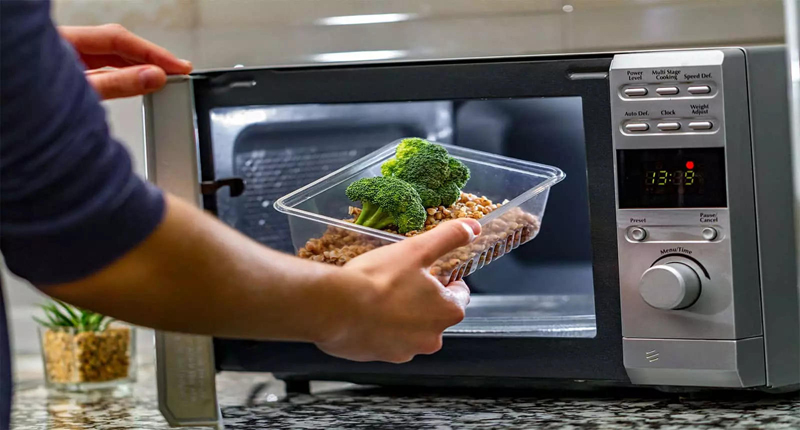
Microwave ovens are one of the most used appliances in modern kitchens. From reheating leftovers to defrosting frozen food, they make daily cooking easier. However, because they are used so frequently, occurrences of various technical issues in the microwave are bound to happen.
Most microwave oven problems, whether it’s not heating food, making strange noises, sparking inside, or shutting off unexpectedly, are usually caused by normal wear over time, simple usage mistakes, or built-in safety mechanisms. It does not always mean the microwave oven is completely broken.
This guide explains the most common microwave oven issues, why they happen, and what they usually mean, in beginner-friendly language, without technical confusion or unsafe repair advice.
Why Microwave Oven Problems Are Caused
Microwave ovens may look simple from the outside, but internally they rely on sensitive electrical and safety components.
Problems occur mainly because of:
– Frequent daily use
– Power fluctuations
– Incorrect containers or food placement
– Built-in safety systems stopping operation
– Aging internal parts
Unlike gas stoves or basic electric appliances, microwaves are designed to shut down or behave differently when something is unsafe. Many issues are actually signs that the appliance is protecting you.
How a Microwave Oven Works
Understanding the basics of how a microwave oven functions technically helps explain why problems occur.
A microwave oven heats food using microwaves, a form of electromagnetic energy. These waves cause water molecules in food to vibrate, producing heat from the inside.
Why do microwaves heat food but not the plate?
Food contains water, which absorbs microwave energy. Many microwave-safe containers, especially glass, ceramic, or “microwave-safe” plastic, do not absorb this energy, so they stay cooler while the food heats.
Why does the microwave heat unevenly?
Microwaves do not spread evenly inside the oven cavity. This is why turntables rotate food and stirring or repositioning food is often needed.
When any part of this process is disrupted, microwave oven problems begin to appear.
Most Common Microwave Oven Problems
Below are the most frequently reported microwave oven problems in homes. Each one has specific causes and should be understood separately.
You might like: The Ultimate Guide to Fixing 5 Common Air Fryer Problems (With Solutions)
Microwave Oven Not Heating Food Properly
This is the most common microwave complaint. The oven runs, the light turns on, but food remains cold or only partially warm.
This issue is often related to:
– Power supply problems
– Door safety switch issues
– Internal component wear
> Detailed explanation available in the dedicated article on microwave oven not heating food properly.
Microwave Making Unusual Noise
A microwave normally makes a low humming sound. However, loud buzzing, grinding, or rattling noises usually indicate a problem.
Possible reasons include:
– Fan or turntable motor strain
– Uneven food placement
– Electrical component stress
> See the full breakdown in the microwave oven making noise guide.
Microwave Sparks Inside While Cooking
Sparks inside a microwave can be alarming and should never be ignored.
Common causes include:
– Metal utensils or foil
– Non-microwave-safe containers
– Damaged internal protective covers
> Read the full explanation in the microwave sparks inside article.
Microwave Turntable Not Rotating
If the microwave plate is not spinning, food may heat unevenly.
This can happen due to:
– Improper placement of the turntable
– Food debris blocking movement
– Motor or alignment issues
> Covered in detail in the microwave turntable not rotating article.
Microwave Oven Shuts Off Suddenly
Some microwaves stop mid-cycle and may restart after cooling down.
This usually indicates:
– Overheating protection activation
– Electrical safety cutoff
– Ventilation blockage
> Learn more in the microwave shuts off suddenly guide.
Microwave Oven Safety Rules to Prevent Problems
Many microwave oven problems are preventable by following basic safety rules.
Use Only Microwave-Safe Containers
Always use containers labeled microwave-safe. Unsafe materials can cause sparks, overheating, or internal damage.
Avoid Metal and Aluminum Foil
Metal reflects microwaves, which can lead to sparking and damage to internal surfaces.
Never Run an Empty Microwave
Running a microwave with no food inside can overload internal components and cause long-term damage.
Keep the Door and Seals Clean
Food residue on door seals can interfere with safety mechanisms and proper operation.
Following these rules significantly reduces common microwave oven problems.
What Should Never Be Put in a Microwave Oven
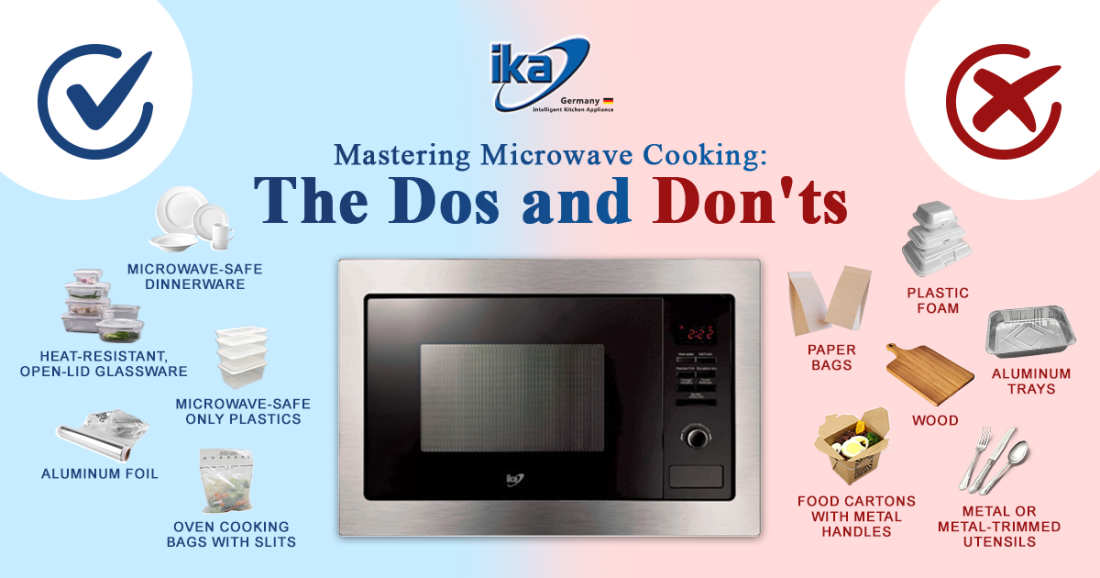
Certain items are directly responsible for many microwave issues.
Avoid placing the following inside a microwave oven:
– Metal utensils, plates, or foil
– Sealed containers or airtight jars
– Plastic containers not rated for microwave use
– Paper products with ink or metallic coating
Using improper items often leads to sparks, shutdowns, or permanent damage.
How to Reduce Microwave Oven Problems in Daily Use
Good habits play a major role in keeping your microwave working properly.
Correct Food Placement
Place food in the center of the turntable and avoid overcrowding. This improves heating and reduces strain.
Use Appropriate Power Levels
High power is not always necessary. Using suitable power levels prevents overheating and uneven cooking.
Regular Cleaning
Food splatters can interfere with internal airflow and sensors. Light, regular microwave oven cleaning helps prevent unexpected issues.
Frequently Asked Questions
Is it safe to use a microwave that makes noise?
Low humming is normal, but loud or unusual noises should not be ignored and may indicate internal stress.
What causes sparks inside a microwave oven?
Metal objects, unsafe containers, or damaged internal surfaces are the most common causes.
Why does my microwave stop working suddenly?
Overheating protection, ventilation problems, or electrical cutoffs often cause sudden shutdowns.
Can improper containers damage a microwave oven?
Yes. Using unsafe containers can cause sparking, overheating, and long-term internal damage.
Final Thought
Understanding the common causes of microwave oven problems and following basic safety practices can help you prevent most problems and ensure your microwave works efficiently for years. Simple habits like using the right containers, keeping the interior clean, and placing food correctly go a long way in reducing trouble.
Remember, seeing a problem doesn’t always mean your microwave is broken. Often, it’s your microwave’s way of protecting itself and keeping you safe. By staying aware of common issues and practicing safe use, you can enjoy the convenience of your microwave without worry.
For any specific problem you notice, check the dedicated guides linked in this article to understand the cause and what actions to take next.
Staying informed is the best way to keep your microwave running smoothly and safely.